Features
Name:
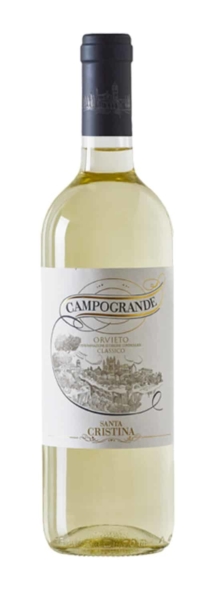
Casasole Orvieto Classico DOC Amabile 2024
Terrain:
clayey with fluvio-lacustrine deposits
Cellar
The Santa Cristina wine cellar was established in 2006 and has since confirmed and renewed the tradition of the wine that bears its name, more than 70 years after the first vintage. Over time, Santa Cristina has become a point of reference for wine experts, and not only, thanks to a constant commitment to quality. Just like a good story, it is a timeless Tuscan classic with a contemporary taste. The care that has always been taken in following the vineyards and the work in the cellar has been the stimulus for continuous innovations and for confronting native and international varieties, giving life to wines that are different but distinguished by the same artisanal style, the fruit of an indissoluble bond between vineyard, terroir and the work of man.
The Santa Cristina winery, designed by the Hydea studio of Florence, features a modern architectural structure conceived according to criteria of minimal environmental impact while respecting the surrounding territory. The winery owes its name to the red wine Santa Cristina, a historic wine that has been the symbol of the company for over 70 years. The structure is conceived in such a way as to accompany the grapes from the vineyard to the individual steps of fermentation, ageing and bottling, all the way to packaging; advanced technology, combined with a careful and continuous search for quality, reinforce and strengthen the ancient tradition and love for their land.
Description
Santa Cristina's Orvieto Casasole is a sweetish white wine, thanks to the presence of residual sugar maintained by interrupting fermentation by lowering the temperature.
Organoleptic characteristics:
The nose expresses intense fruity notes of apple, banana and citrus fruits. On the palate it is fresh and very drinkable.
Storage time:
0-2 years
Vinification
After soft pressing, the must is cooled and kept at a temperature of 10 °C for natural decanting. Alcoholic fermentation in steel at a temperature below 18°C. Subsequent interruption of fermentation by lowering the temperature to 0 °C to preserve the natural residual sugar.
Acknowledgements