Features
Name:
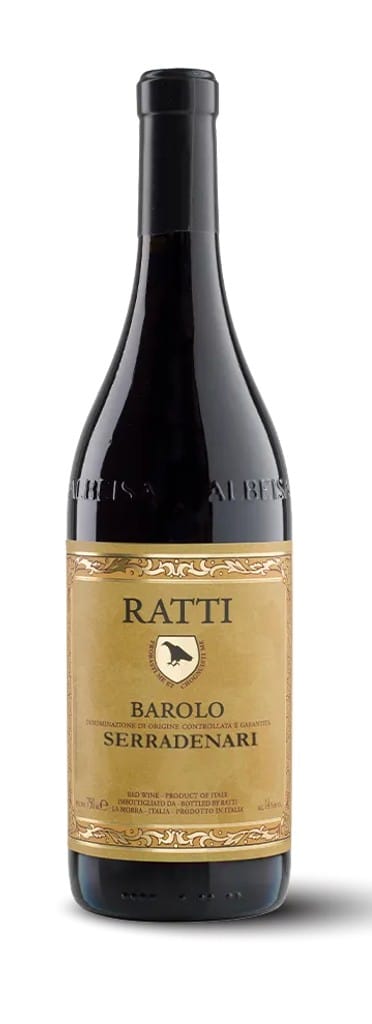
Barolo DOCG Serradenari 2019 Ratti
Terrain:
Clayey-loamy
Cellar
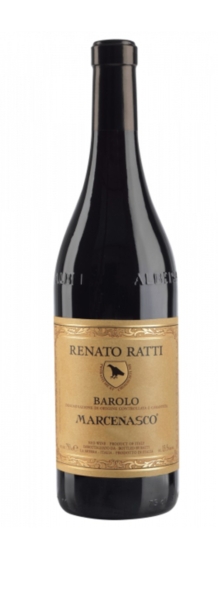
Renato Ratti came to wine without any family tradition. Free of ancestral ties, he was able to experience Barolo without any conditioning whatsoever. In 1965, Renato Ratti bought the first vineyard for the production of Barolo: it was a small vineyard in the historic area of Marcenasco, under the Abbazia dell'Annunziata in La Morra. In'the ancient Abbey (15th century) the first Barolo Marcenasco was vinified from a single vineyard (cru). In 1969 his nephew Massimo Martinelli, also an oenologist, joined the company, with whom the vinification, maturation and refinement technique of Barolo Marcenasco was perfected, in order to obtain a refined elegance, finesse and longevity of this important wine. From the mid-1970s to the end of the 1980s, Renato Ratti became an important point of reference for the wine of the Langhe and Italy. He was appointed president of the Consorzio del Barolo and later director of the Consorzio dell'Asti. After his untimely death, his son Pietro, who had just graduated from the Alba school of oenology, joined the company. During the '90s, the expansion and restructuring of the family vineyards continued, and the search for uniqueness of origin of the various sub-zones continued.
Description
Renato Ratti's Barolo Serradenari is made from Nebbiolo grapes cultivated in the beautiful area, in the highest part of La Morra, at an altitude of almost 500 metres in a marvellous amphitheatre overlooking the Piedmont Alps. It is a great Piedmontese wine, elegant, structured, soft and complex.
Organoleptic characteristics:
It has a garnet red colour. The nose shows aromas of plum, violet and tobacco. In the mouth it is full, with good tannicity and acidity.
Storage time:
over 25 years
Vinification
Grapes harvested by hand in October are destemmed and crushed. Alcoholic fermentation takes place in temperature-controlled steel containers. Skin contact lasts about three to four weeks and includes fermentation and subsequent post-fermentation maceration with traditional submerged cap. Malolactic fermentation takes place in steel.
Acknowledgements