Features
Name:
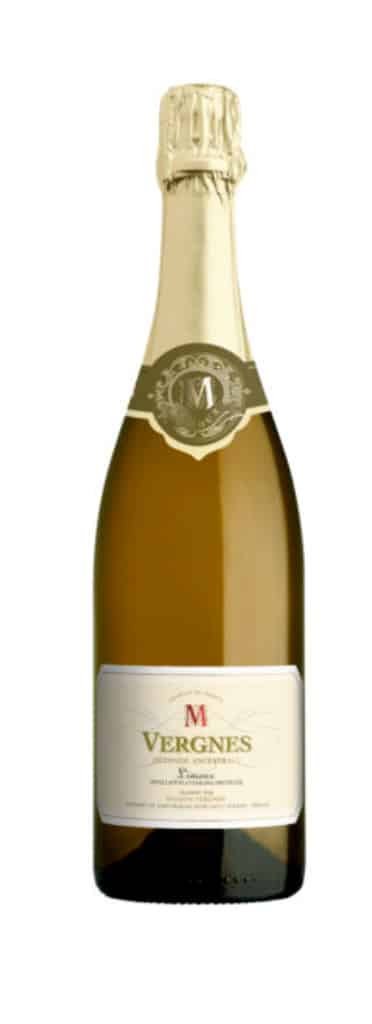
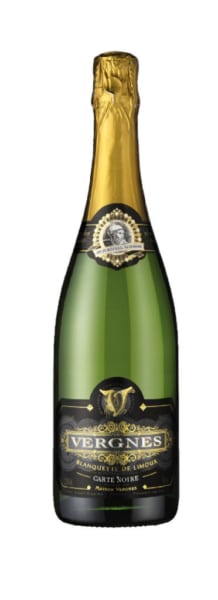
Blanquette Methode Ancestrale
Terrain:
Chalky clay
Cellar
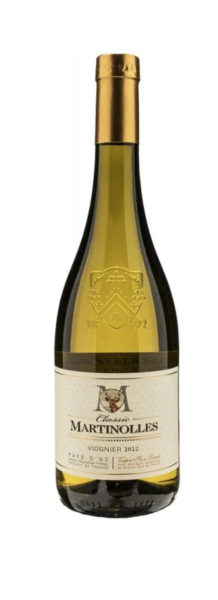
In the south of France near the city of Limoux, in the heart of the beautiful region of Languedoc Roussilion - Maison Vergnes, is part of a private label part of Domaines Paul Mas. A marketing man who later became a wine producer, Jean Claude Mas soon immersed himself in the winemaking work of Domaine de Martinolles, one of the estates that make up Domaines Paul Mas, a family-run business for three generations, acquired in 2011, fascinated by the location, the quality of the wines but also by the desire to produce his sparkling wines in a clearly vocated context. By organically managing the vineyards, he creates wines with a great taste profile, with freshness, finesse and complexity.
Description
Classic Method sparkling wine has been produced at Maison Vergnes since 1531, a tradition that has been handed down from family to family until today under the Mas management. The oldest Mauzac vines in the Domaine (over 35 years old) are reserved for the elaboration of the Ancestrale. The grapes, the last to be harvested, must be healthy and have a high sugar concentration. For the Ancestrale method, fermentation is first slowed down and then stopped, preserving sufficient sugar content to ensure that fermentation can be resumed after bottling, without further addition of sugars and yeasts. The enzymes and yeasts locked in the bottle inhibit the CO2, creating, as the French say, a slightly sparkling 'petillant'. A very old technique started in the Aoc Blanquette de Limoux in France. Normally, by not disgorging, these wines are cloudy with more pronounced bread crust aromas due to a greater presence of yeasts.
Organoleptic characteristics:
Luminous golden yellow colour with a chain of fine bubbles.
The olfactory impact is typical, very expressive, rich in fragrant aromas of brioche, sweet spices, cinnamon, and ripe fruit such as quince and pear.
On the palate it is soft, silky, and surprises with its freshness.
Storage time:
2-5 years
Vinification
Produced using the ancestral method, the wine is bottled around the third moon of March, when natural refermentation takes place.
It does not undergo disgorgement.
Acknowledgements