Features
Name:
Chakra Rosato Primitivo IGT 2024 Aiello
Terrain:
limestone-clay
Cellar
Giovanni Aiello is an oenologist and wine producer who has increasingly established himself on the Apulian wine scene, even crossing international borders with great success. It is thanks to his love for the vineyard and his land, Apulia, and it is among the rows of the Canale di Pirro that his adventure began. He studied oenology in the cradle of viticulture with its ancient charm, in Veneto and Friuli, working between the sunny valleys of California and the distant hills of Australia, taking his roots everywhere. "It is said that wine is the most authentic expression of a territory, and I have always been convinced of this. That is why I chose to start from a simple idea: to produce wines that represent my land, a particularly fortunate and fertile area that runs through Putignano, Castellana and Fasano.
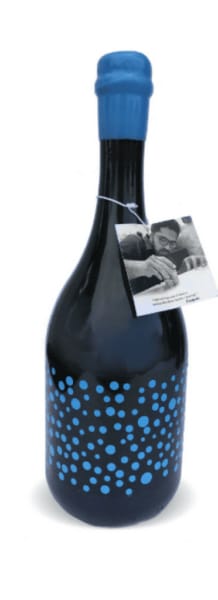
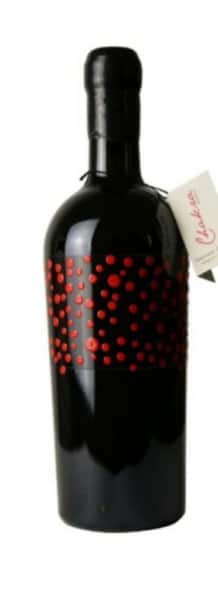
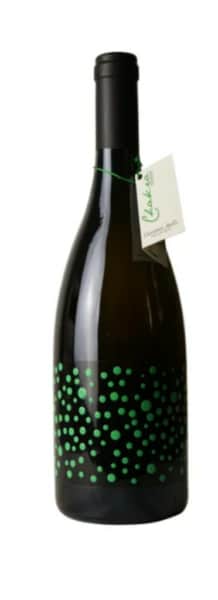
The 'Chakra' line, with its hand-painted labels, refers to the essentiality of Apulian landscapes, made of living stone and colourful expanses of fields.
Description
Chakra by Giovanni Aiello is more than a wine, it is a fusion of energies and elements. Air and earth on one side, man's strength on the other, in complete synergy to create something magical, unique. Different grape varieties, from Primitivo to Verdeca, from Maruggio to Marchione, make up an excellent wine with hand-painted labels that bring the mind back to Apulia, to its territory, to the immense fields and vines that colour the landscape. It is a special wine, born in a shallow, clay and limestone soil, where the roots of the plants creep into the karst fissures.
Organoleptic characteristics:
Cherry pink colour with a coral nuance, it is crystal clear. On the direct nose comes the fruitiness: raspberry, currant and cherry, secondly comes the rose, accompanied by notes of Mediterranean scrub. Thanks to the structure of its body, it moves in the glass vigorously and gracefully.
Storage time:
1-2 years
Vinification
The grapes, gently crushed and destemmed, remain in contact with the skins for a few hours. At the end of maceration, after racking, the must is fermented in steel at a controlled temperature. At the end of fermentation, after the first racking, the wine remains on the fine lees until February, continuous batonnage increases its volume and harmonises the taste.
Acknowledgements