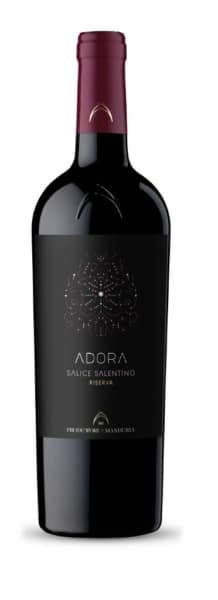
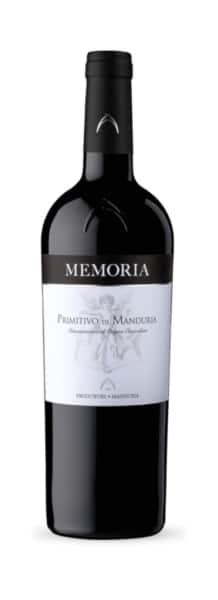
Features
Name:
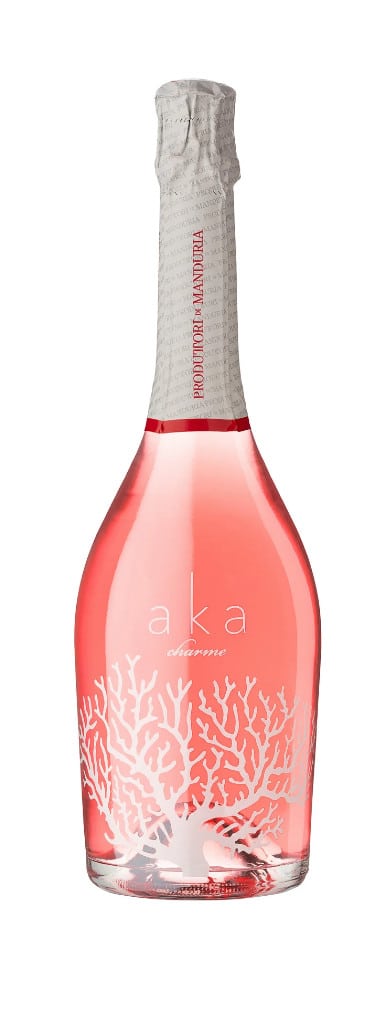
Aka Charme Sparkling Rosé Brut
Terrain:
Vines between 20-40 years old on calcareous-tufaceous soils at an average altitude of 100 metres above sea level
Cellar
Produttori di Manduria is the oldest cooperative in Apulia.
The Cantina's adventure began in 1928 when a small group of 'enlightened' wine growers took over an old factory and created the 'Wine Federation', an association of producers that four years later, on 9 July 1932, formalised its legal status as a cooperative with the establishment of the 'Consorzio Produttori Vini e Mosti rossi superiori da taglio per la zona di Manduria'.
Today, the Cantina has around 1000 hectares of vineyards, half of which are still cultivated using the traditional alberello system, and strenuously defends the work of 400 small wine craftsmen, the only ones who can boast the appellative of Maestri in Primitivo.
Description
'Aka Charme' is the sparkling version of the pure rosé primitivo, excellence of Produttori di Manduria. The widespread cultivation system is the typical alberello. The presence of so many plots makes it possible to choose the best grapes each year and always produce quality wines. The rosé grapes come from the Manduria area and the vines are cultivated at an altitude between 60 and 120 metres above sea level. Aka is one of those rosés that never disappoints, always pleasant, captivating already to the eye for its coral colour.
Organoleptic characteristics:
Beautifully luminous coral pink colour, delicate and fine perlage. The nose has good intensity, hints of small red fruits accompanied by floral notes of rose petals, bread crust and yeast. Good freshness on the palate, particularly fresh and lively, rightly soft, balanced and fragrant.
Storage time:
2 years
Vinification
White vinification, after pressing, the rosé must is started towards primary fermentation, under strict thermodynamic control (13 to 15°C). The transformation of the must into wine continues in steel, on the fine lees, until the end of October. This is followed by secondary fermentation in autoclaves, where frothing takes place and subsequent ageing on the lees for a total period of approximately 120 days.
Acknowledgements